 Tensor Exports
Non-woven fabric uses in furniture, bedding and packaging
Turn a sofa over, unzip a cushion or look inside a pocket-spring mattress. In each case, the fabric you rarely see does a different job. These six illustrated examples show where it goes and how to trial a material for it.
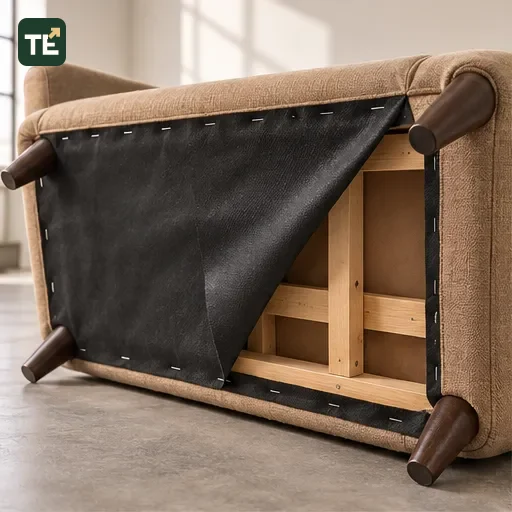
Sofa underside dust cover
Look underneath an upholstered sofa. A thin sheet stapled to the frame closes off the cavity around the webbing and springs.
Swatch check. Try a spunbond cutting on the actual frame. Check whether a staple pulls through when the fabric is tensioned.
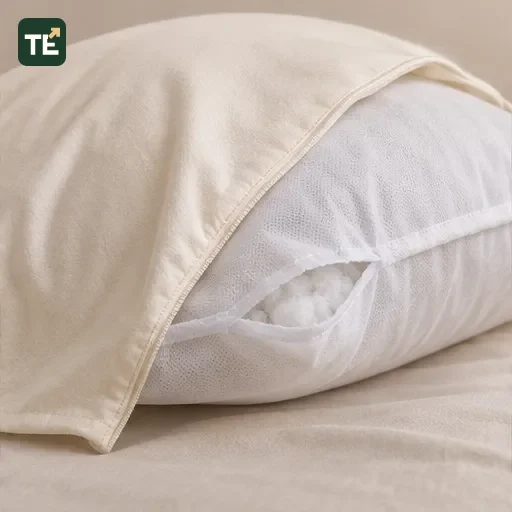
Pillow inner shell
Inside a decorative cushion, a separate shell holds the loose filling while the outer cover comes off. Non-woven fabric is one option for this inner layer.
Swatch check. Sew a trial insert with your intended fill. Compress it repeatedly and inspect the seams for fibre escape.
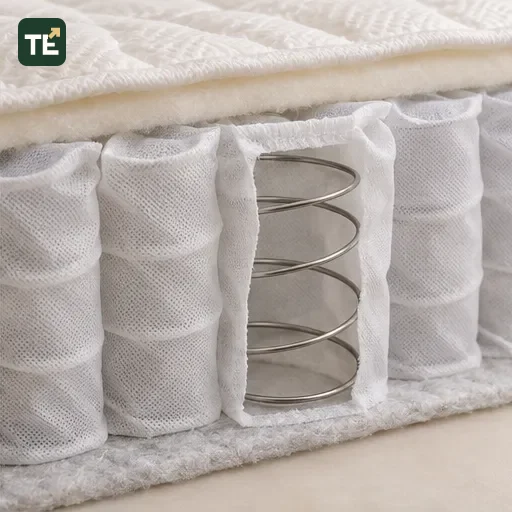
Mattress spring pockets
In a pocket-spring mattress, each coil sits inside a fabric sleeve. The pocket keeps the spring positioned as it compresses.
Swatch check. Ask for a trial roll that suits your pocketing line. Check the weld or seam after repeated compression with your spring diameter.
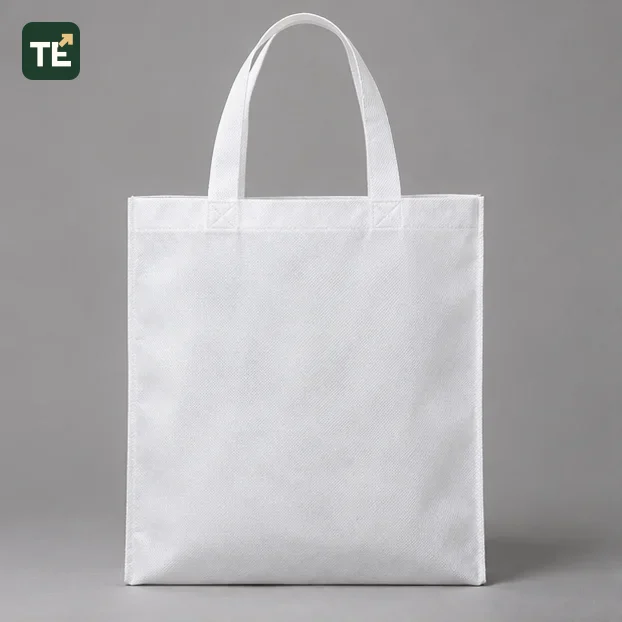
Non-woven carry bags
Converters cut and join spunbond fabric to form a bag body and handles. Weight alone cannot tell you how much a finished bag will carry.
Swatch check. Use the intended handle and seam construction for a loaded trial, then inspect the handle attachment and base.
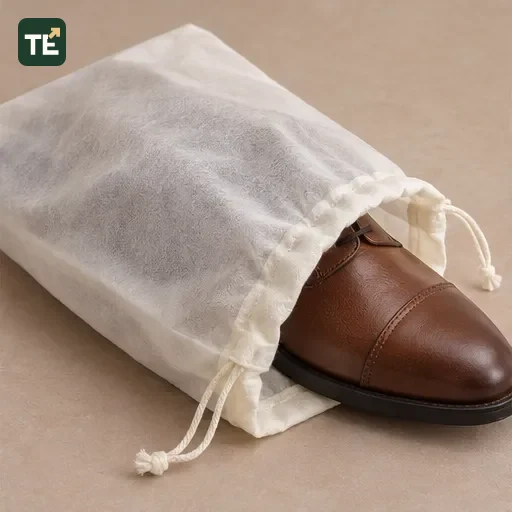
Shoe and handbag dust bags
A soft sleeve separates finished goods in a carton and helps keep dust off the surface during storage. A drawstring lets the packer close it without tape.
Swatch check. Rub a swatch against the actual finish and check for scuffing, lint or colour transfer before selecting the bag material.
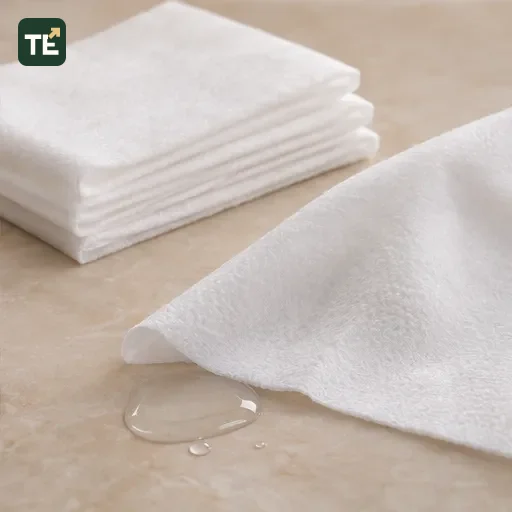
Industrial cleaning wipes
A converter can cut a spunlace roll into sheets or fold it into packs. Fibre blend and bonding affect how the wipe handles liquid.
Swatch check. Wet a cutting with the liquid you use, wipe the target surface and check absorbency, wet strength and visible lint.
AI-generated illustrations show example constructions. For industry descriptions of these furniture and bedding applications, see EDANA’s household guide.
Which layer are you making?
Tell our Delhi team the application, joining method, width and target quantity. We can discuss a trial cutting and confirm the grade, MOQ and lead time for your brief.